Enzyme Ingredient for Exfoliating Powder Manufacturing
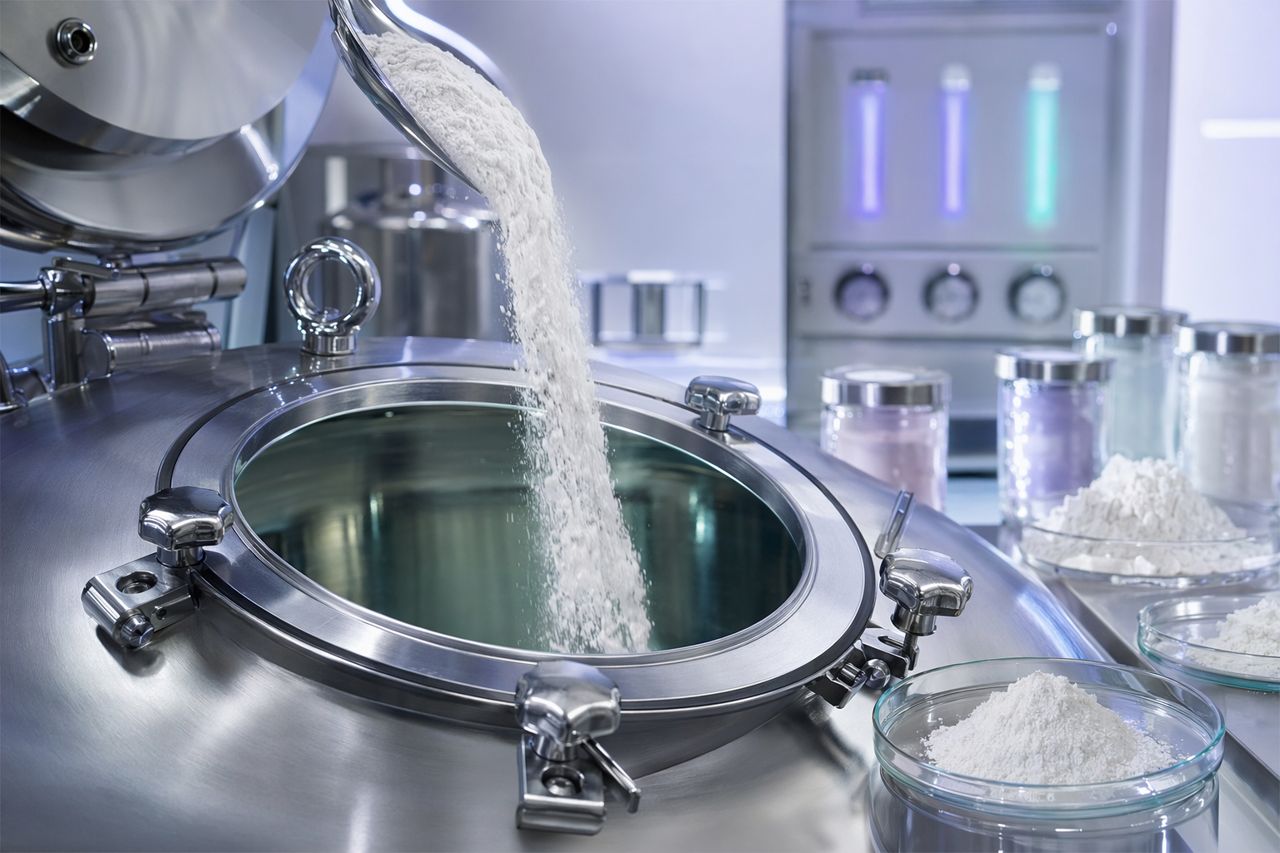
Exfoliating powders are elegant when they activate cleanly, disperse evenly, and leave the skin feeling polished rather than stripped. For a factory chemist, the challenge is not simply choosing an enzyme. It is keeping that enzyme compatible with surfactants, starches, clays, amino acid cleansers, sensorial powders, fragrance systems, and moisture-sensitive packaging from development through commercial fill.
Corneora supplies enzyme ingredients for cosmetic exfoliating powder manufacturing with practical guidance on enzyme selection, dry-blend behavior, activation profile, pH window, thermal exposure, and documentation. As an enzyme supplier for cosmetic exfoliant manufacturing, we support teams that need consistent cosmetic performance at pilot and production scale.
Built for dry-format exfoliant systems
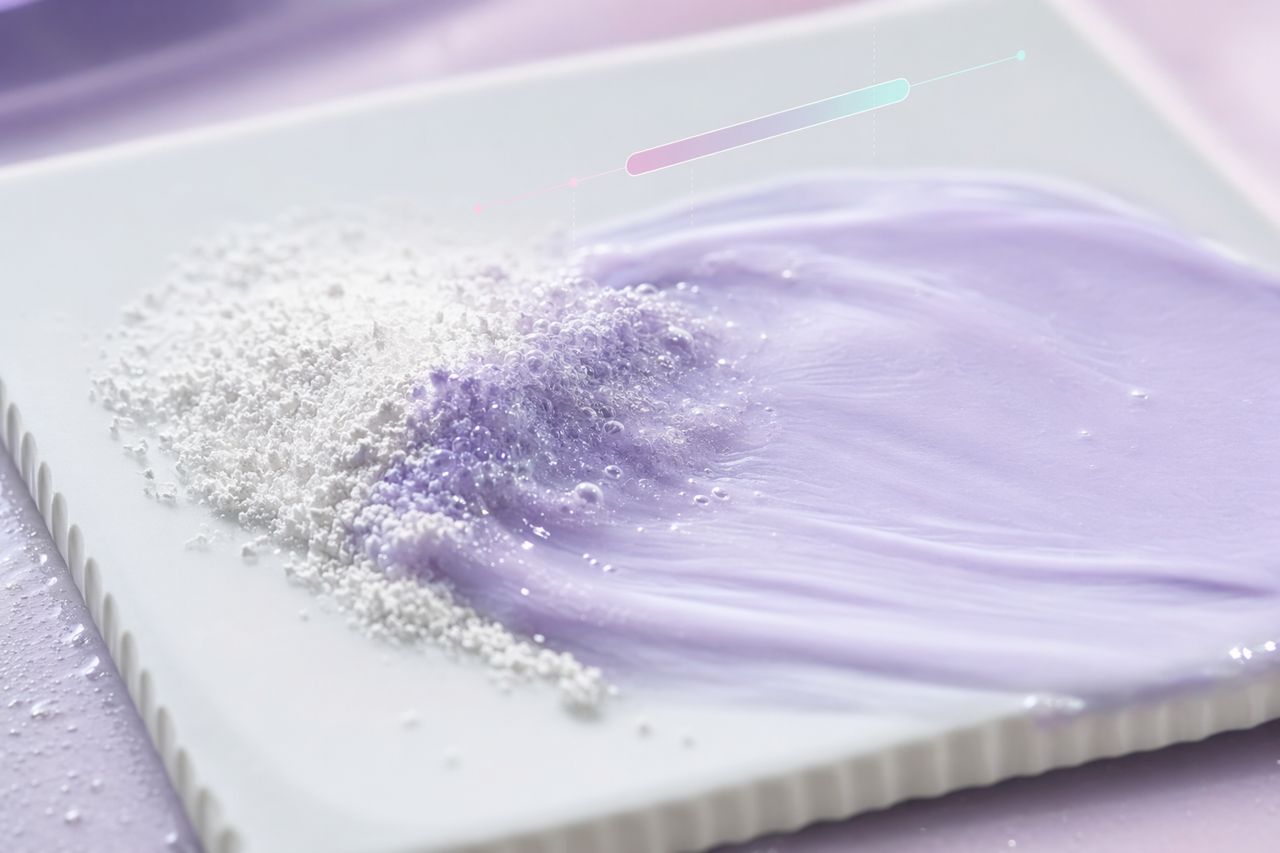
Powder-to-foam, powder-to-paste, and water-activated exfoliating formats require controlled enzyme behavior. The ingredient must remain protected in the pack, then activate predictably when the consumer adds water.
Corneora helps manufacturers evaluate enzyme fit for:
- Water-activated facial exfoliating powders
- Enzyme cleansing powders
- Hybrid physical plus enzymatic exfoliant systems
- Clay, starch, cellulose, rice powder, and silica-based blends
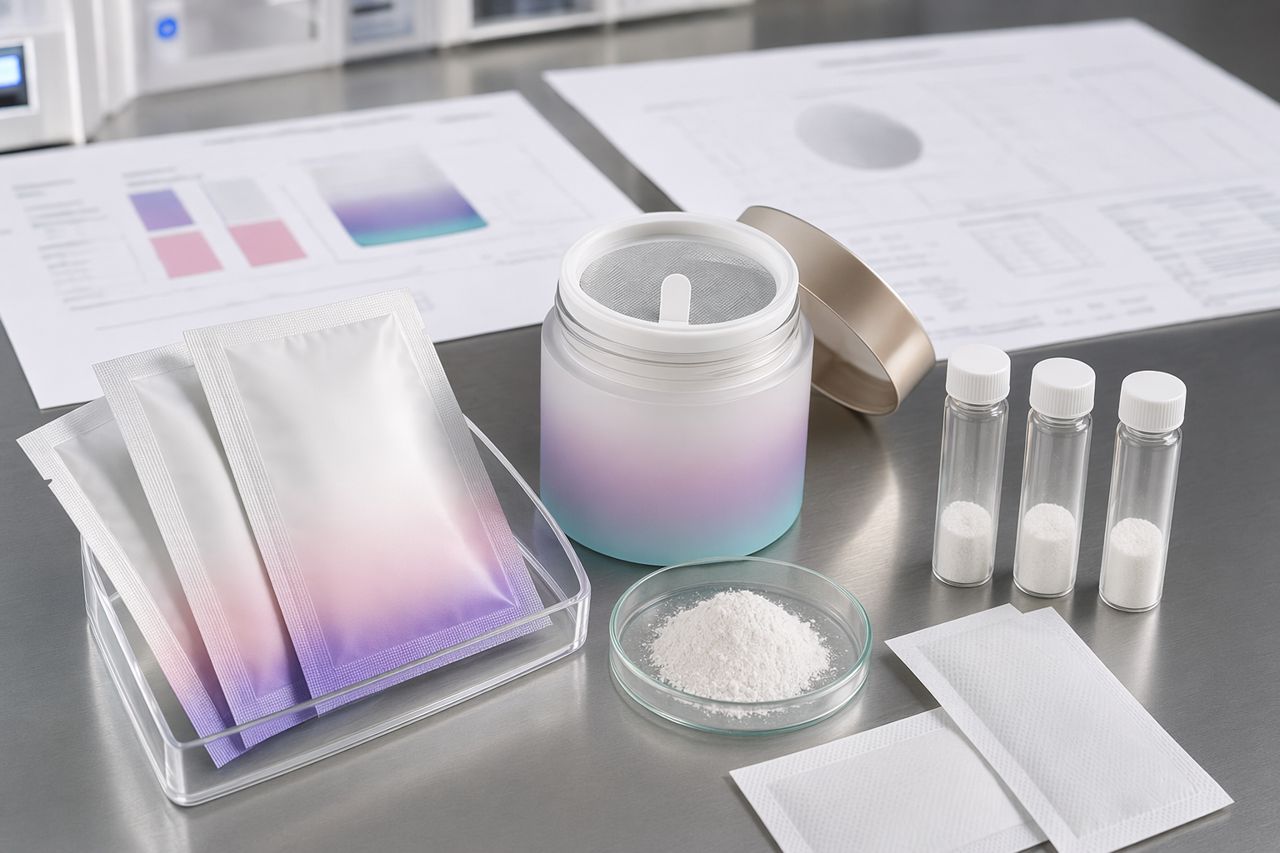
- Premium sachet, jar, stick, and refill powder formats
- Powder systems positioned for smoothness, radiance, refinement, and skin clarity
What formulation chemists need to control
1. Enzyme selection for the intended skin-feel
Proteolytic enzymes are commonly selected for cosmetic exfoliating powders because they help loosen the appearance of dull surface buildup after hydration. The formulation goal is a refined, comfortable exfoliation profile without aggressive grit or harsh rinse-off feel.
Corneora can help you compare enzyme options by:
- Activation behavior during consumer use
- Compatibility with the target pH window
- Sensory profile in powder-to-paste or powder-to-foam formats
- Expected contribution to perceived smoothness and skin luminosity
- Suitability for rinse-off cosmetic positioning
- Alignment with claims language and INCI documentation needs
2. pH window and use-phase performance
The pH of the activated product strongly influences enzyme contribution. A beautiful dry powder can underperform if its hydrated pH drifts outside the intended range.
For manufacturing teams, Corneora focuses on practical formulation questions:
- What pH window supports the intended exfoliation consistency?
- Do surfactants, buffers, botanicals, or minerals shift the use-phase pH?
- Does the product remain comfortable on skin after activation?
- Is the enzyme profile compatible with the brand’s sensorial and positioning goals?
We help you think beyond the certificate line item and toward the actual consumer-use environment.
3. Moisture protection from blending to shelf
Enzyme powders are sensitive to moisture exposure. Premature hydration can reduce performance, cause clumping, change flow, and create uneven dosing in filling equipment.
Corneora supports moisture-control planning across:
- Raw material receiving and storage
- Controlled room handling
- Dry-blend sequencing
- Low-humidity transfer and filling
- Desiccant, liner, and closure selection
- Sachet and stick-pack barrier choices
- Jar opening exposure and in-use protection
For powder exfoliants, packaging is part of the formulation. A refined enzyme system needs a pack that protects it until the point of use.
4. Compatibility with powder bases and cosmetic actives
The base determines both sensory elegance and enzyme protection. Corneora helps manufacturers assess compatibility with common exfoliating powder components, including:
- Tapioca, rice, oat, corn, and other cosmetic starches
- Kaolin, bentonite, and mineral powders
- Amino acid surfactants and mild cleansing systems
- Cellulose, silica, and soft polishing particles
- Polyols and humectant-coated powders
- Botanical extracts, fragrance, and essential oil systems
- Pigments, pearlescent powders, and sensorial modifiers
The objective is controlled activation, elegant dispersion, and batch-to-batch consistency.
Scale-up behavior matters
A bench sample can look luminous and refined. A commercial batch has to survive blending energy, room conditions, hold times, transfer steps, and filling speed.
Corneora can support scale-up conversations around:
- Addition point and blend order
- Shear and heat exposure during processing
- Segregation risk in mixed particle-size systems
- Dusting and operator handling considerations
- Uniform enzyme distribution through the batch
- Flow behavior during auger, sachet, or jar filling
- Retained performance after standard production holds
This is where supplier experience becomes manufacturing value. We help your team reduce avoidable reformulation cycles and protect launch timing.
Documentation for cosmetic manufacturing
Cosmetic buyers need more than a sample. Corneora provides the documentation package needed for ingredient review, formulation development, and purchasing evaluation.
Available documentation may include:
- Technical data sheet
- Safety data sheet
- INCI and labeling support information
- Allergen and regulatory support statements where applicable
- Origin and composition information
- Lot and quality documentation
- Storage and handling guidance
- Formulation-use recommendations for cosmetic applications
Tell us your market, format, and claim direction, and we will help identify the documentation most relevant to your internal review.
Label positioning and claims discipline
Enzyme exfoliating powders often sit in premium, skin-forward product lines. The language should feel refined, but it also needs to remain appropriate for cosmetic use.
Corneora supports positioning such as:
- Water-activated enzyme exfoliation
- Smooth, polished skin feel
- Refined-looking texture
- Radiance-focused rinse-off care
- Gentle-feeling powder exfoliation
- A cleaner alternative to harsh scrub perception
We do not recommend overreaching claims. The strongest commercial story is one that formulation, quality, regulatory, and marketing can all support.
Why manufacturers choose Corneora
Corneora is built for cosmetic formulation teams that need supplier clarity, not vague ingredient marketing. We understand the practical constraints of factory development: humidity, blend uniformity, ingredient compatibility, purchasing documentation, and production repeatability.
What you can expect
- Enzyme ingredient options suited to cosmetic exfoliating powder systems
- Guidance on pH window, moisture protection, and processing exposure
- Support for dry-blend compatibility and use-phase activation
- Documentation for technical, quality, and purchasing review
- Responsive commercial support for sampling and quotation
- Practical language for premium cosmetic positioning
Request a quote
If you are developing or scaling an exfoliating powder, share your target format, base composition, packaging type, intended pH window, and launch region. Corneora will help identify an appropriate enzyme ingredient and provide quote support for your manufacturing plan.
Use the on-site request a quote form to contact Corneora with your project details.